FAQs
Common to all surgeries

Is post operative antibiotic mandatory for Healing?
No. In all routine surgeries one dose of a broad spectrum antibiotic single intravenous dose is enough if given during surgery. If not infected, routinely antibiotics need not be given. Healing is the body response and it immediately starts after incision is given.
Are fruits and milk helpful in healing?
Definitely, for the nutritional value of milk and vitamins in fruits required for healing, but if the patient is not in a habit of taking them previously, it’s not mandatory. Usual nutritious diet is sufficient.
Is bed rest mandatory for faster healing?
Can alcohol be taken post operatively?
Should I stop smoking prior to surgery?
Should ASPIRIN be stopped before major surgery?
I am diabetic. Should I undergo any major surgery?
What type of anaesthesia is safe, General or Spinal?
How big will the incision be?
Will I have a scar?
When can I take normal food after surgery?
Can I take sour things like amla and lemon after surgery?
Should I take pain killers even if I have no pain after surgery?
Does fever after surgery mean my surgery has become complicated?
- Chest infection
- Urinary tract infection
- Thrombophlebitis at the iv cannula site
- Deep vein thrombosis due to immobilisation
- Others.
When can I travel after surgery?
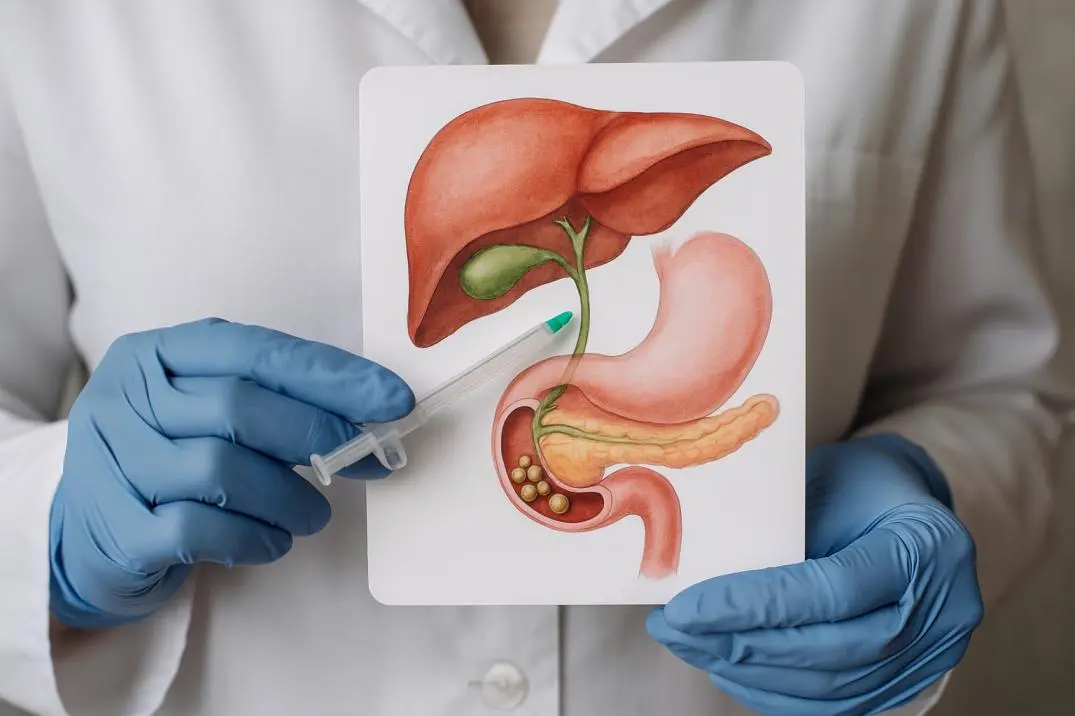
Gallbladder (Cholecystectomy)
When should I think I may have gallstones?
When you have any one or few of these:
Pain in the right side of the abdomen, just below the ribs
Pain in the middle of the abdomen below sternum
Pain in the abdomen radiating to the right shoulder or between shoulder blades.
Flatulence and bloating of the abdomen which is not responding to usual medicines.
Repeated episodes of indigestion, acidity and nausea.
Does my dietary habit have any role?
Definitely, for the nutritional value of milk and vitamins in fruits required for healing, but if the patient is not in a habit of taking them previously, it’s not mandatory. Usual nutritious diet is sufficient.
What are the symptoms when I should consult the doctor immediately?
What are the risk factors for forming gallstones?
Did I get gallstones due to my fault?
Can gallstones disappear on their own?
Is Ultrasound enough to diagnose gallstones or MRI/ CT scans are essential?
Number and size of stone(s) are increasing as compared to the last ultrasound. What should I do?
Is it a major surgery?
Is it enough to remove the stones or the whole gallbladder needs to be removed?
Should I get operated during the pain or wait for a period of time before surgery?
I am an elderly person; I have a lot of other diseases and on multiple treatments. Should I opt for surgery?
Should I go for laparoscopy or open traditional surgery?
What are the complications of gallstones?
- Chest infection
- Urinary tract infection
- Thrombophlebitis at the iv cannula site
- Deep vein thrombosis due to immobilisation
- Others.
Does the outcome of surgery depend on the size and number of stones?
How lengthy is the surgery?
What will be my restrictions after surgery?
What are the chances of bile duct injury?
What is an ERCP?
Is biopsy required?
Is removal of the Gallbladder alone enough for the treatment of Gallbladder cancer?
I have no symptoms. Why should I undergo surgery?
Breast lump and Breast Cancer
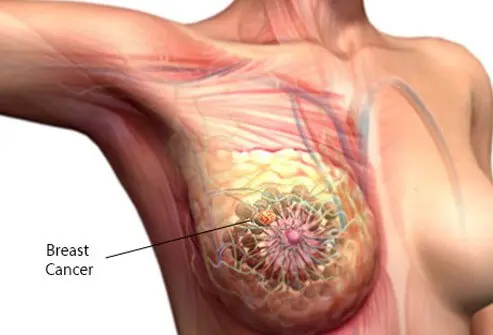
What does a breast lump feel like?
Breast lump is felt like a discrete solid mass with sharp margins when the breast is pressed with the palm. It is usually mobile inside the breast tissue. It can be painful on touch or painless. In young females breast is usually NODULAR, which means multiple small nodules felt in the breast which doesn’t qualify as a lump. It can be single, more than one and occur on one side or both the breasts.
What is the usual age group in which breast lumps occur?
It can occur at any age but usually young adults and adolescent girls have breast lumps.
Does a lump in the breast mean something dangerous?
I have pain in my breast but can't feel any lump. Is it normal?
Can breast lumps be treated without surgery?
Can a lump reoccur after it is removed?
Does removal of breast lump affect future pregnancy?
Does removal of breast lump affect future pregnancy?
Can a breast lump go away with medicines?
Can my surgery be scar-less?
My one side armpit is bulkier than the other. Is it of any concern?
What family history is important?
How do I examine my breast?
- Look at both the breasts in the mirror to appreciate any significant disparity in size, any changes in skin, any retraction of nipple and any fullness.
- Feel both the breasts with the palm of your opposite hand applying gentle pressure.
- Follow the same with the pads of your fingers applying little firm pressure.
- Squeeze both the nipples to look for any pain or discharge.
- Use the tip of four fingers to examine the opposite sided underarms and look for any lump, for both sides.
What is 'Screening?'
Screening is the word used to evaluate the breast or any organ or the person, to detect cancer at a very early stage. So, for people with high risk of breast cancer should undergo regular screening, as a matter of fact all ladies above 40 years of age should. It includes:
- Self examination as it has been discussed.
- Mammography
What is a mammography?
I have done Mammography, is MRI still required?
What are the common risk factors for developing breast cancer?
- Family history of breast or ovarian cancer.
- Any hormonal treatment taken for any reason like infertility or long term usage of oral contraceptive pills.
- Previously treated for breast, ovarian or uterine cancer.
- Pregnancy and breastfeeding (lactation) are known natural protective factors, so those who have not, are generally at a higher risk than normal.
How do I know I might be having breast cancer?
- Hard, immobile lump present in the breast or armpit.
- Recent significant change in the nature or increase in size of any existing lump.
- Skin of the breast is dimpling like the skin of an orange.
- Pain in the lump or in the armpit.
- Bloody discharge from the nipple.
- Retraction of the nipple, the nipple appears like it is pulled inwards.
- Any ulceration in the skin along with the lump.
Should the whole breast be removed during surgery for cancer or can be partly retained?
IS breast cancer curable?
I lost all my hair after chemotherapy„
Can I get back the shape of my breasts after breast removal surgery?
I am diagnosed with breast cancer which has spread. Do I still need to get my breast removed?
How long should I be under follow up after completion of treatment?
Is PET-CT mandatory?
Where does breast cancer spread commonly?
Can men have breast cancer?
Abdominal Hernias
What are hernias?
How do I know I have a hernia?
Are hernias common?
I am young, can I get a hernia?
Does hernia occur only in the groin?
There are other hernias as well:
1. Incisional hernias
It is the bulging of intestines or other abdominal content through the defect in a scar of any previous surgery. Any abdominal surgery like gallbladder or appendix, caesarean section or even a previous hernia surgery can result in such types of hernias.
2. Epigastric hernias
Any bulge of the abdomen due to protruding of abdominal contents in the midline of the abdomen from below the chest up to the umbilicus is called Epigastric hernia.
3. Umbilical/Para-umbilical hernias
There is often a bulge in the umbilicus (belly button) of many people irrespective of gender, which they tend to ignore, but it’s actually a hernia.
4. Femoral hernias
A relatively less common variety of hernia, mostly seen occurring in women in the upper thigh but it should be treated as soon as possible to avoid complications.
Are urinary symptoms related to hernias?
Straining: Need to apply pressure to urinate.
Hesitancy: Feeling of the urge to urinate very often.
Dribbling: Urine dribbles during the act of micturition or even otherwise.
Urgency: Unable to hold urine even for a short time during urge.
Frequency: Number of times the person goes for urination throughout the day.
Urge incontinence: Can’t hold urine and urine leaks when bladder is full.
Nocturia: Getting up a number of times at night from sleep to pass urine.
Never ignore these symptoms and must get consultation from a Surgeon/Urologist and treated at the earliest.
I have a hernia, but it doesn't hurt What should I do?
When do I know surgery is urgent?
1. The swelling doesn’t disappear on lying down which previously used to happen.
2. Trying to negotiate it causes extreme pain.
3. Skin overlying the hernia has become red, swollen, thinned out or extremely tender.
4. Abdomen is getting bloated and causing pain.
5. Can’t pass flatus (Gas)
6. Multiple episodes of vomiting
Is surgery the only treatment?
What is a mesh?
Yes, it’s most commonly used and there is a variety of mesh available within a wide range of quality, material and price, but the essential function is the same.
Without the mesh also, hernias can be repaired with equal efficacy where the surgeon does a procedure called ‘Darning’, which serves the purpose of the mesh but doesn’t have the implications of using a mesh.
What is better, open surgery or laparoscopy?
I had previous abdominal surgery. Can I opt for lap•aroscopic hernia repair?
Does hernia surgery affect sexual life afterwards?
What restrictions will be there after the surgery?
But, for the first 6-8 weeks after surgery, no strenuous activity, no lifting of heavy weight should be done and also cough and constipation must be avoided.
I am a paralysed patient, from when can I start Physiotherapy after surgery?
I have a scrotal swelling after surgery, has my surgery failed?
I have numbness below the scar, is it normal?
Will my lifestyle be restricted for the rest of my life?
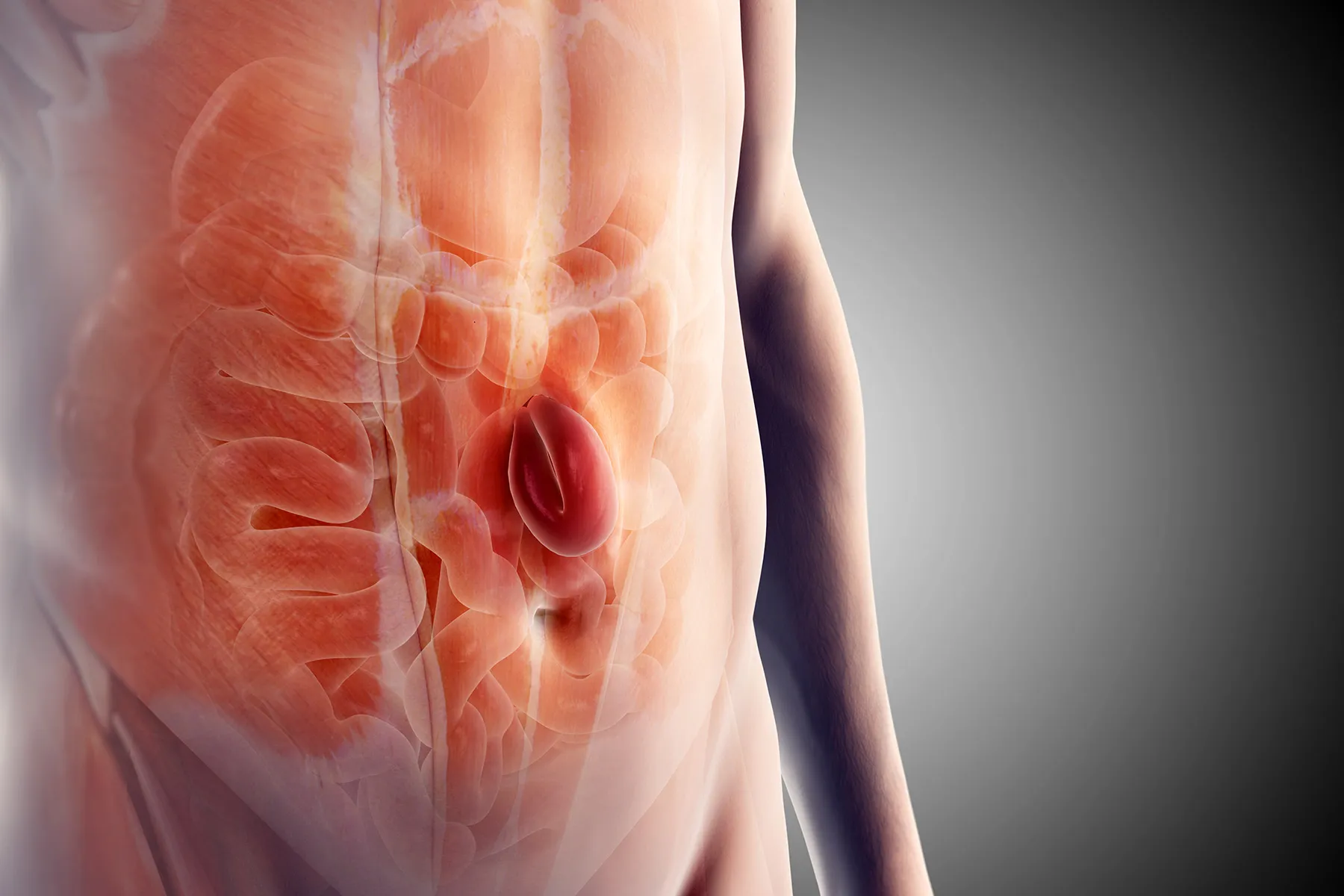
Appendicitis
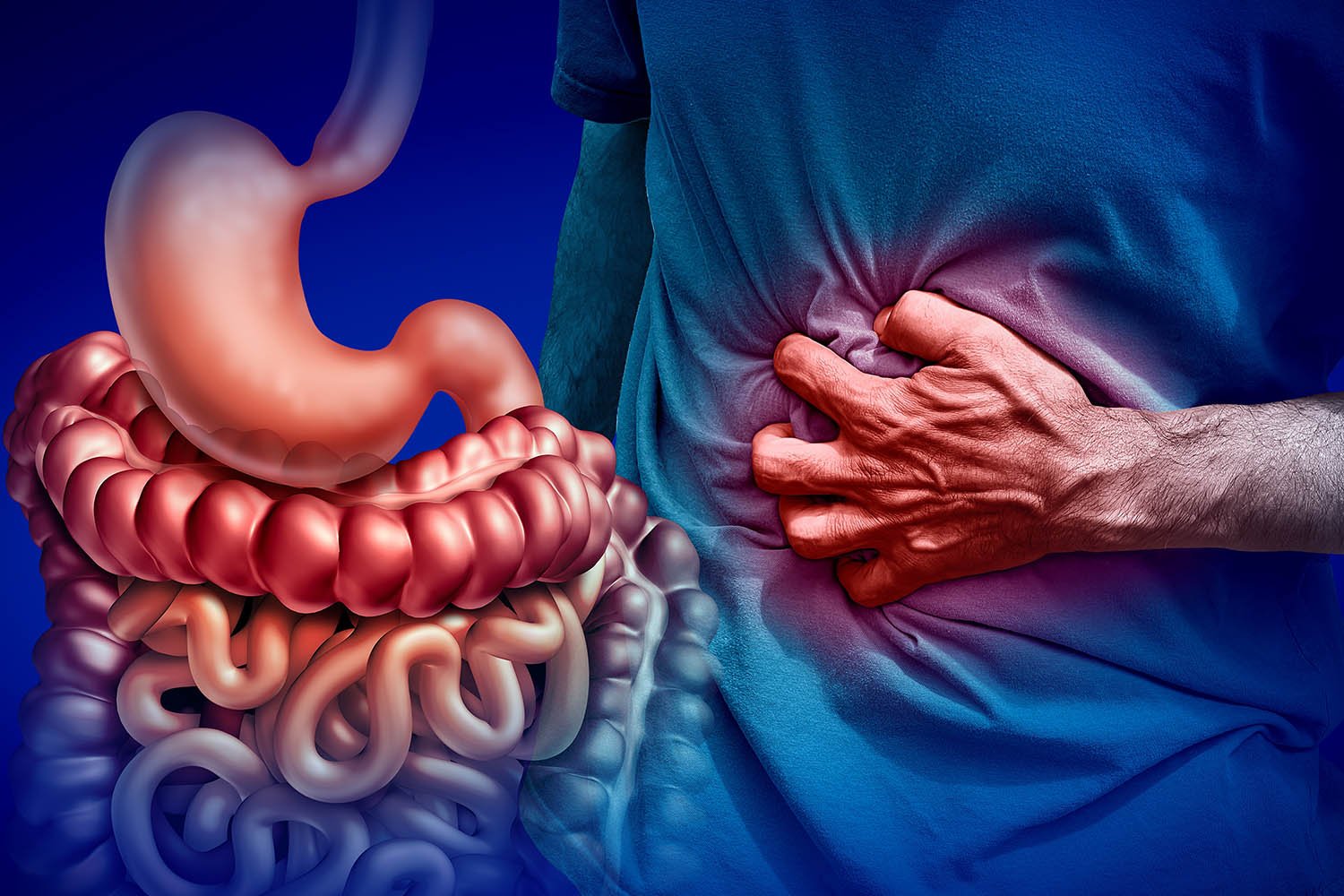
I have been advised surgery for acute appendicitis. Can I avoid it?
It’s you who is bearing the pain, so you have to decide whether to bear it or get rid of it. Within the first 48 hours of acute attack, it is best if the appendix is operated. Yes, for the time being it can be treated with medicines including antibiotics and if the pain and infection settles, surgery can be done later.
But two things must be kept in mind:
There will be another attack definitely
It will be more severe than the first time in all probabilities.
My ultrasound doesn't show appendicitis. What should I do?
The most frequently asked dilemma.
Acute Appendicitis is a clinical diagnosis. The surgeon decides on a clinical examination. If clinically it has all signs of appendicitis and the symptoms and parameters match, one must go ahead with surgery.
Then is the ultra sonologist wrong?
What are the other symptoms which can happen?
Fever
Chills
Vomiting
Loss of appetite
Diarrhoea, etc.
What is the pain of appendicitis typically like?
Can the appendix burst?
IS laparoscopy possible in an emergency?
My wound got infected after appendix operation. Is it a serious issue?
What will happen if the appendix is removed?
Is a CT scan mandatory before surgery?
Yes, ultrasound or CT can be done to rule out the three major conditions which can mimic the pain of appendix:
Right sided ureteric stone
Right sided ectopic pregnancy in females
Right sided twisted ovarian cyst in females
Do I need to restrict my food habits after surgery?
What can I do to avoid getting appendicitis?
Don’t listen to the stories of others who had intestinal complications, repeated surgeries, appendix couldn’t be found and all of those. Yes, I have encountered such patients operated elsewhere, handled them all, but those are rare exceptions. If you have an acute attack of appendicitis, get operated wherever you are and get fit within a few days.
Scrotum & Testes
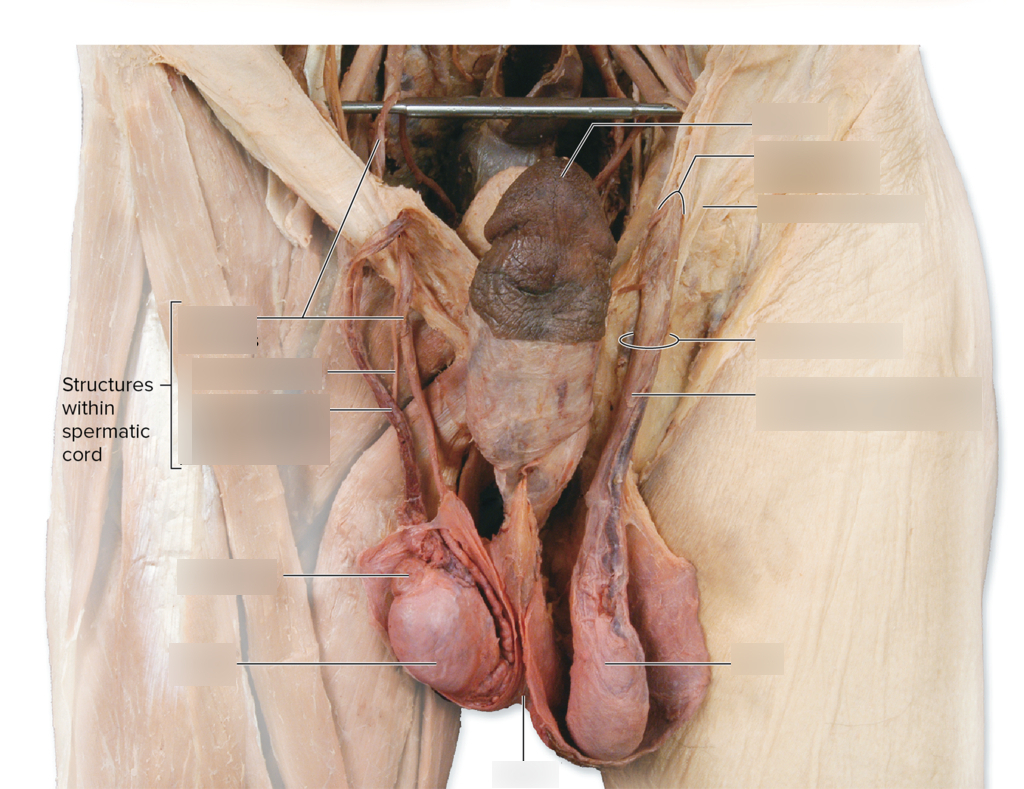
I have in the testicular area. Is it an early sign of a hernia?
I have a hydrocoele. Can I avoid surgery?
If it is a hydrocoele, it does not merit an urgent surgery, until it causes serious discomfort to the patient. But yes, there is no medicine to treat it and surgery is the easy and only option.
Is an ultrasound mandatory?
My son has a testis absent on one side since birth. He is 4 years old. What should I do?
I often have very sharp pain in the testis and it lasts for a few minutes, then subsides on its own. What should I do?
What is a torsion?
Treatment is Surgery, and if done within the right time frame, the testis can be de-rotated, fixed (both the sides should be fixed) and can be saved. Delay might result in sacrifice of the affected testis.
Suddenly my prepuce can't be retracted and it has become very narrow. What should I do?
I have been diagnosed with a tumour in the testis. Should I get a biopsy done before proceeding for surgery to confirm what it is?
Varicose Veins
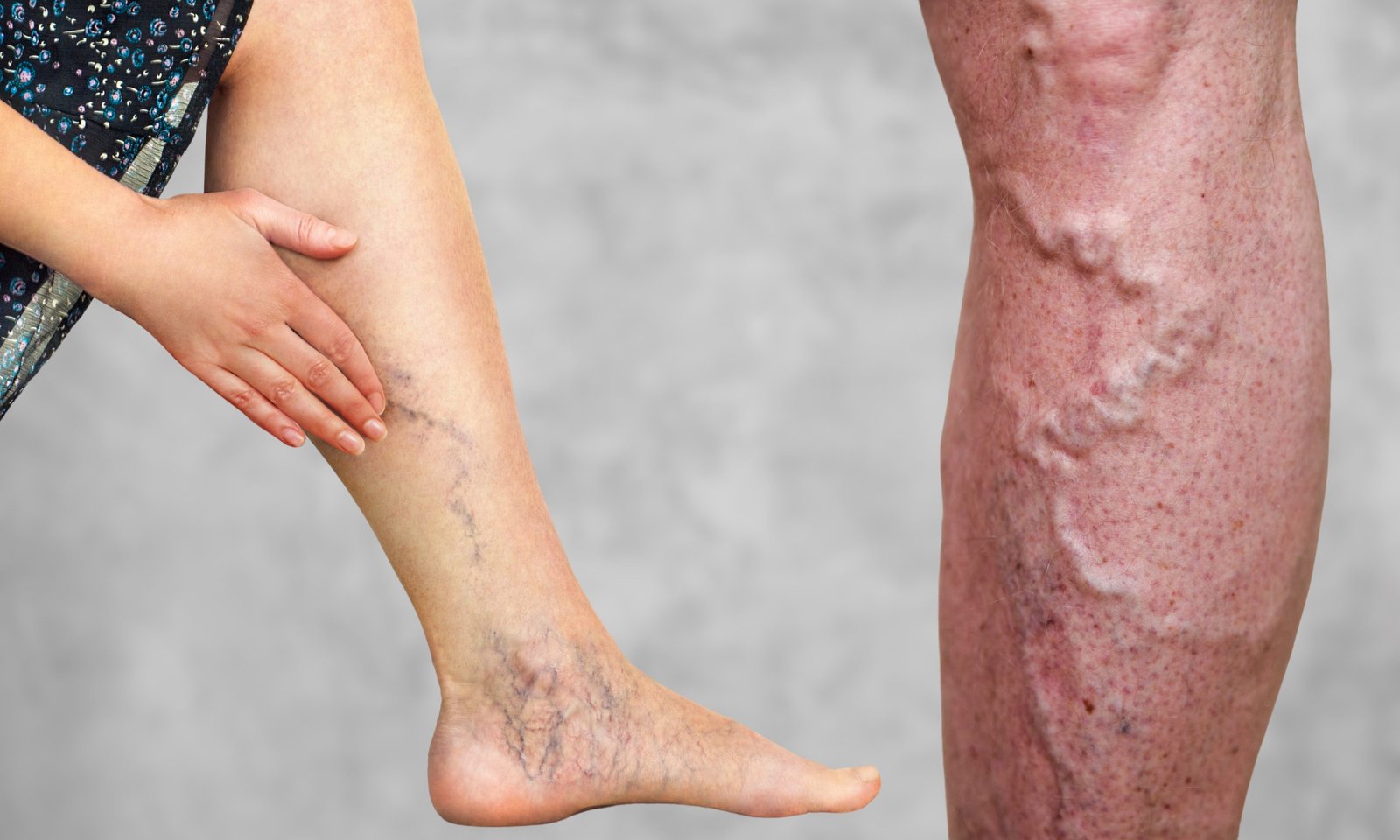
I have prominent veins on both of my legs. Is it varicose?
I am a housewife. Can I still get varicose?
Policemen
Surgeons
Yes, they are the people who are more vulnerable to get varicose veins because of their professional need for prolonged standing but anybody can.
I only have swelling, no prominent veins. Should I be concerned?
I have been diagnosed with varicose veins. Should I get operated on?
Conservative:
No surgery is done. It is for early varicose veins. There are two major valves, one in the groin and one behind the knee, known as SFJ and SPJ respectively. If they are fine, we can start non operative therapy, when only non significant valves are damaged ( perforator incompetence) at an early stage which are mostly located around the ankle. wear compression stockings with pressure gradients some vasodilator drugs avoid prolonged standing etc
Intervention:
There are now various less invasive techniques like RFA ( Radio frequency ablation), foam or sclerosant injections to treat non complicated varicose veins.
Surgery:
I always do the conventional surgery if one / both of the two major valves are damaged. It has NO COMPLICATIONS AND ZERO RECURRENCE.
I had a sudden painless profuse bleeding from a small point in the leg_ What could it be?
When you have such a bleeding, lie down and lift your legs for sometime till it stops and consult a surgeon as soon as possible.
Do varicose veins inevitably lead to non healing ulcers?
What is the best test to diagnose?
My test shows a block in deep veins. Should I go for surgery?
My leg veins have become prominent now when I am pregnant What should I do?
Does it recur after surgery?
Can I walk after surgery?
For how long should I be on complete bed rest after surgery?
The Tuberculosis Myth
What is Tuberculosis?
are MYTHS.
In my clinical practice, I have encountered tuberculosis in:
Most commonly in lymph nodes in the neck appearing as a swelling or a pus collection
Very commonly, in small intestines
large pus collections in the abdomen often requiring surgery, which arise from spine known as Psoas abscesses.
In long standing ulcers and sinuses
In sinuses at the back known as Pilonidal sinuses
In peri anal fistulae
Skin
Umbilical sinuses
Laparoscopic port sites. [my Research topic]
TREATMENT:
The key to the treatment lies in suspecting and diagnosing it. Treating these kind of tuberculosis infections become difficult because:
Often patients are severely immunocompromised
And unlike the lungs;
They often require Surgery
They often don’t respond to first line treatment because of the atypical type of bacteria causing them and thus require second line unconventional therapy.